
Built on nearly two decades of research at the University of Turku, Eduten is a browser-based learning platform used in classrooms as part of weekly classroom teaching. Today, it’s used in over 50 countries and adopted in more than 70% of schools in Finland, with recognition from organizations like UNESCO and UNICEF.
Over 3 million users and up to 1 million monthly active users puts the Eduten platform firmly at national rollout scale, with high usage peaks, long lifecycles, and little room for friction in everyday workflows.
The Problem
Eduten’s challenge was turning research into something that works reliably in classrooms and homes, consistently, at scale.
Unlike many EdTech tools, Eduten is designed as a curriculum-first platform. Teachers rely on it regularly to assign exercises, track progress, and guide students.
The system has to work in real classroom conditions:
- Under time pressure
- Across different devices
- With unreliable connectivity
From an engineering perspective, this created familiar enterprise challenges. Usage isn’t random and it follows predictable peaks during class hours. The platform supports multiple roles at once, with teachers coordinating learning, students actively interacting, and parents checking progress. And because it’s used frequently, even small issues in UX or stability become obvious immediately.
The Solution
Eduten built its platform using Vaadin’s full-stack approach with Hilla, keeping development in Java while still delivering a modern browser-based experience. Having one stack reduced the need to manage separate frontend and backend layers, so the team could focus more on the product itself.
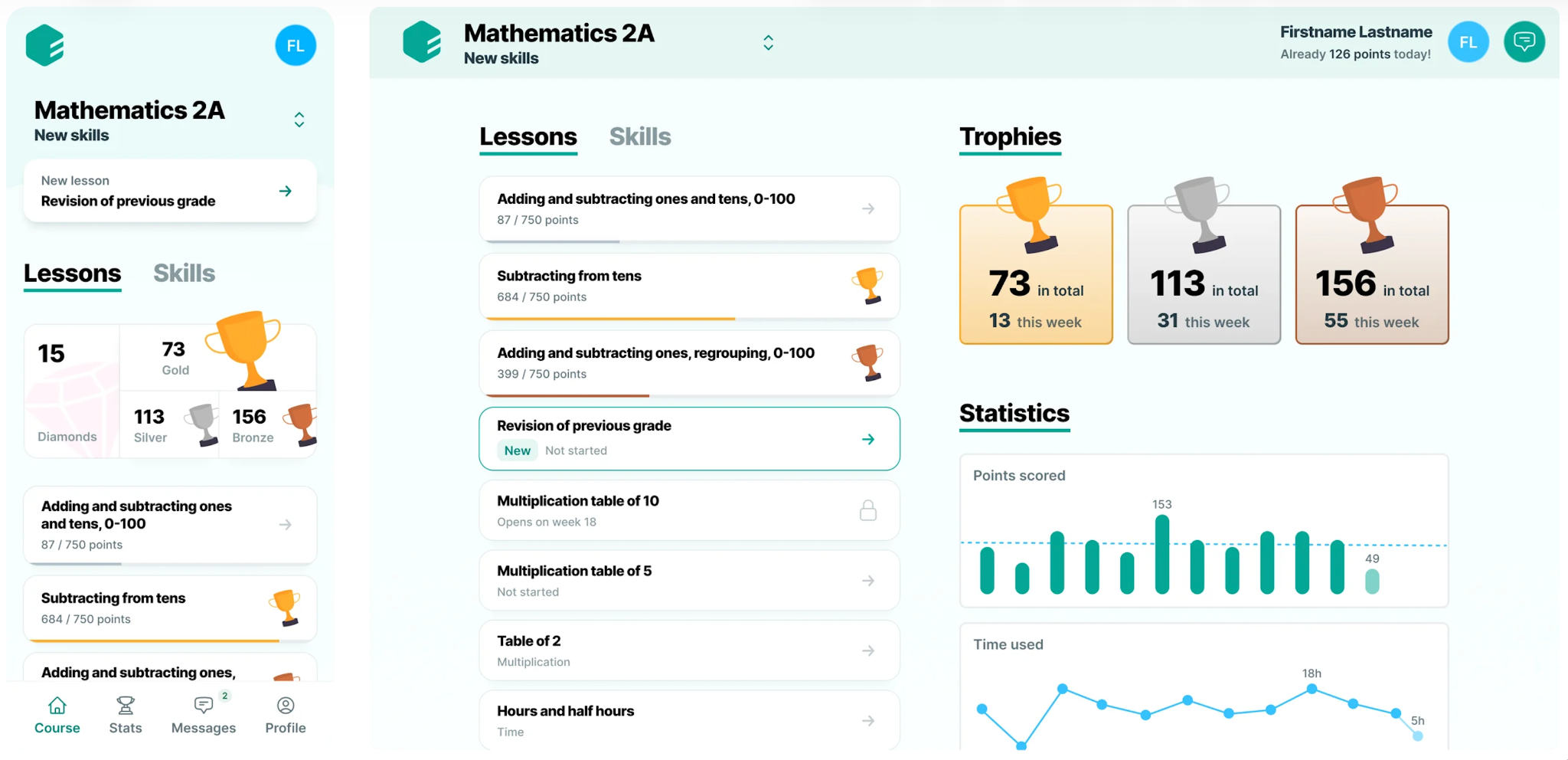
Designing for real classroom use was just as important. The team focused on creating a digital math learning platform that works for different age groups, across countries, and on a wide range of devices.
With support from Vaadin’s design team, Eduten developed a gamified learning experience tailored to each student’s needs balancing engagement with focus.
This resulted in a platform that is:
- Mobile-first – optimized for smartphones and tablets used in classrooms
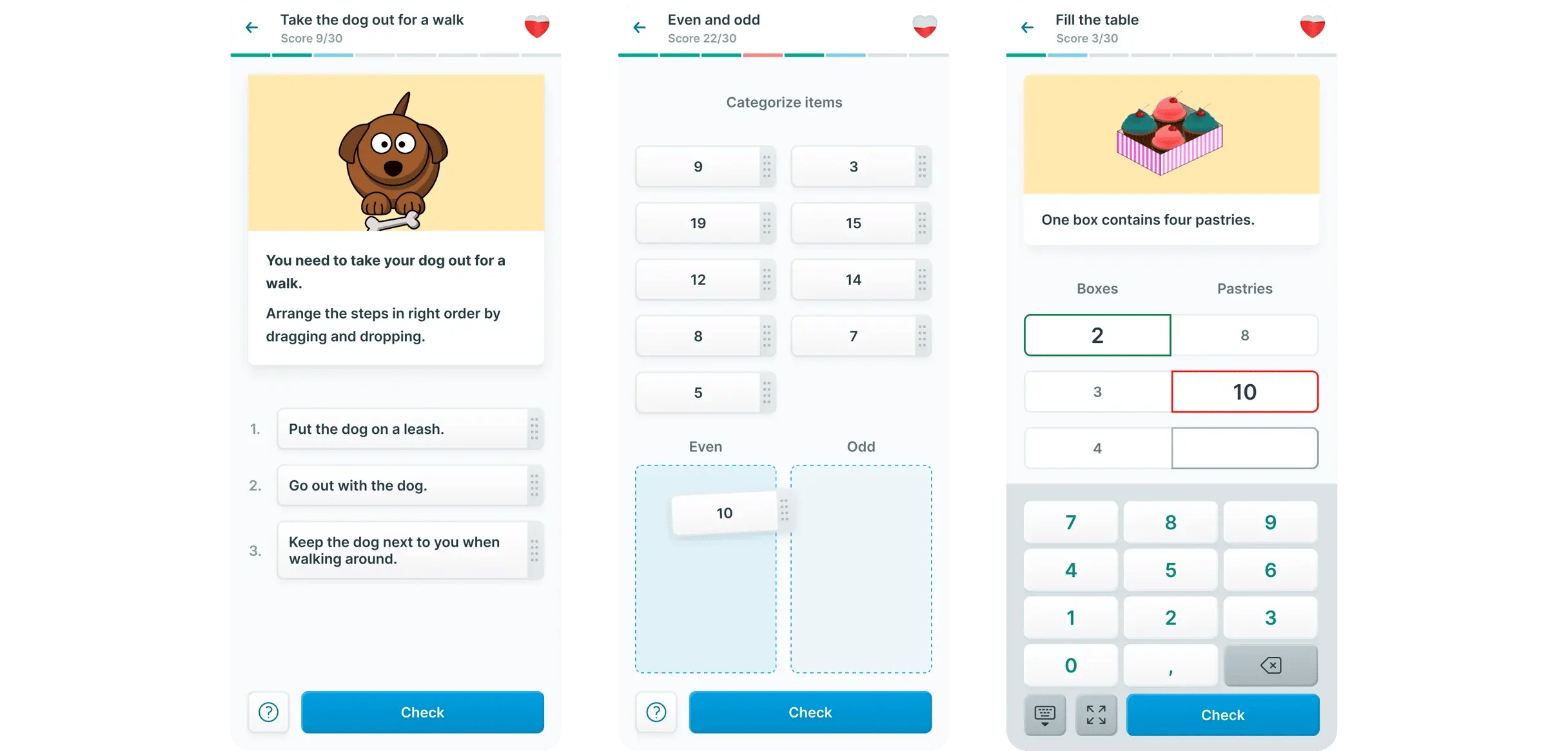
- Playful – interactive design that keeps students motivated
- Guided – step-by-step workflows that support independent learning
This balance between playfulness and task-oriented focus ensures the platform remains engaging without compromising learning outcomes.
We had very specific requirements: we needed offline support, but we also wanted a robust Java backend. With Hilla, we've been able to deliver a much better user experience while also reducing our cloud hosting costs compared to our previous application.
– Einari Kurvinen, Head of Pedagogy, Eduten
Note: Hilla was merged into Vaadin Flow starting with Vaadin 25..
The Result
The Eduten platform is now embedded in everyday classroom use, supporting hundreds of thousands of active users with predictable, recurring demand tied to school schedules. In Mongolia alone, students completed over 2 billion math exercises in 2024, illustrating not just adoption, but sustained, high-frequency use.
More broadly, Eduten is:
- Used in over 70% of schools in Finland
- Deployed in more than 50 countries
- Used by millions over time
From a technical perspective, the outcome is not just that the system works, but that it remains maintainable. The team can continue improving the product without introducing instability into daily classroom use.
Looking ahead
Eduten’s platform was built to last, so with a stable foundation in place, the team can focus on improving the product and gradually adding new features over time. Learn more about Eduten.
Have questions about building at scale with Vaadin?
Our team is happy to help you evaluate the right approach for your project.