Author: Leif Åstrand

Vaadin 23 will require Java 11
Vaadin 23, releasing in March 2022, will require Java 11. To give users additional time to upgrade from Java 8 to a newer version, we're extending the maintenance period of Vaadin 22 until March 2023. Time flies, and it’s already been 8 years since Java 8 was released. It has also been 4 years ...

A simpler release model
We are changing our release model so the version numbers give a better indication of what type of changes the release contains. We are also putting more effort into helping with upgrading so everybody can stay on the latest version instead of an old one. We have been listening to your concerns ...
.png)
Inside the (Collaboration) Engine Room
Vaadin recently released Collaboration Engine, a new feature that allows you to easily create real-time multiuser apps. In this post, we take a look under the hood to see how it works. You can try a collaborative demo app here. While it's not immediately obvious when using the high-level ...
.png)
Vaadin endpoints have arrived: How do they compare to REST?
New stateless endpoints are one of the main features introduced in Vaadin 15. You can use them in client-side TypeScript views to connect to backend logic on the Java server. At first glance, this looks really similar to existing solutions, such as REST. There are indeed many similarities, but ...
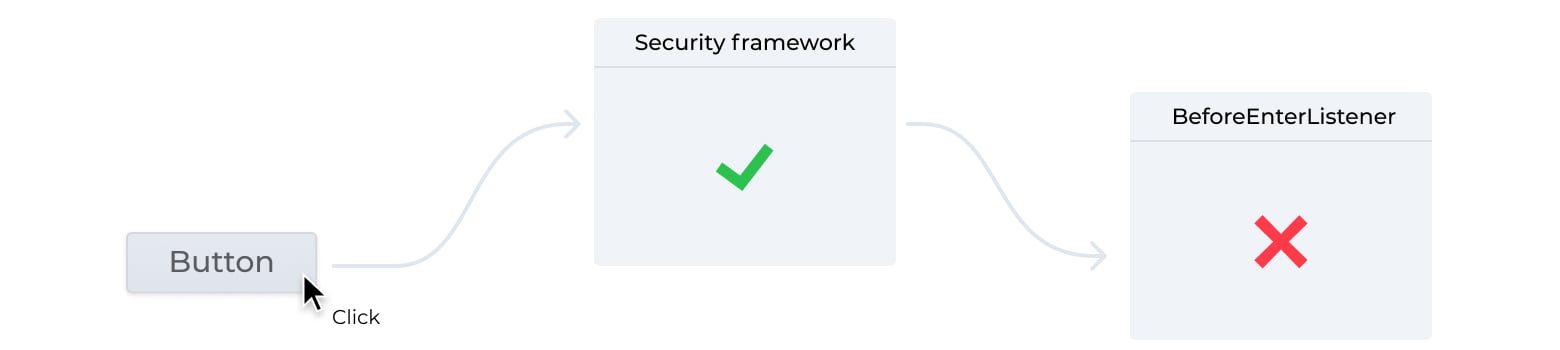
The dangers of using the wrong abstraction for Vaadin access control
Abstractions are important, but mismatched abstractions can be problematic. One particular mismatch that I encounter every now and then is a lot more than problematic: it can be outright dangerous. This is the mismatch between URL-based filtering in various security frameworks and view-based ...
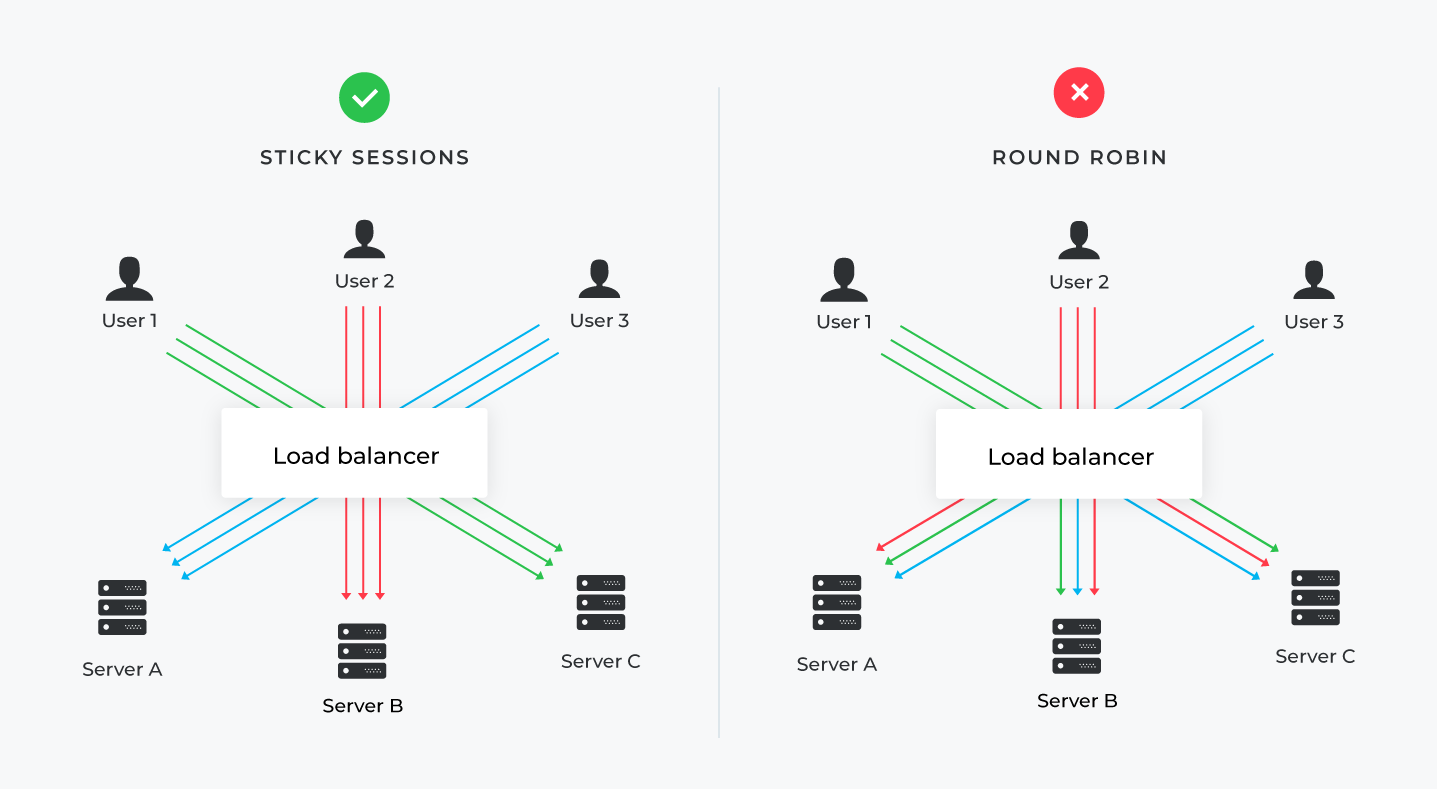
Session Replication in the World of Vaadin
We often get questions about how to use session replication together with Vaadin. Many of Vaadin's unique capabilities are based on the way the entire UI state is stored in a server-side user session. For this reason, our recommendation is to rely on session replication as little as possible. ...
Vaadin's frontend direction
There has been some discussion about what the recently announced Vaadin 10 platform means in the context of GWT. I'll summarise some background about the direction we're taking here. I want to bring up two central themes: component models and freedom of choice. Component models UI development ...
Framework’s client-server communication simplifies your life
One unique feature of Vaadin Framework is the way it automatically manages communication between the user's browser and your server. The biggest benefit of this is not directly related to communication, but rather that you can use a very productive programming model. Programming model Without the ...
State of the Vaadin Framework
Greetings from the Vaadin Framework team. While there hasn’t been too many updates aside from release announcements, I think every now and then it is good to let everyone know where we are and what we are doing. In Vaadin 7.4 we introduced the declarative format and released one of the most ...