Vaadin Blog
LitElement templating, properties, and events
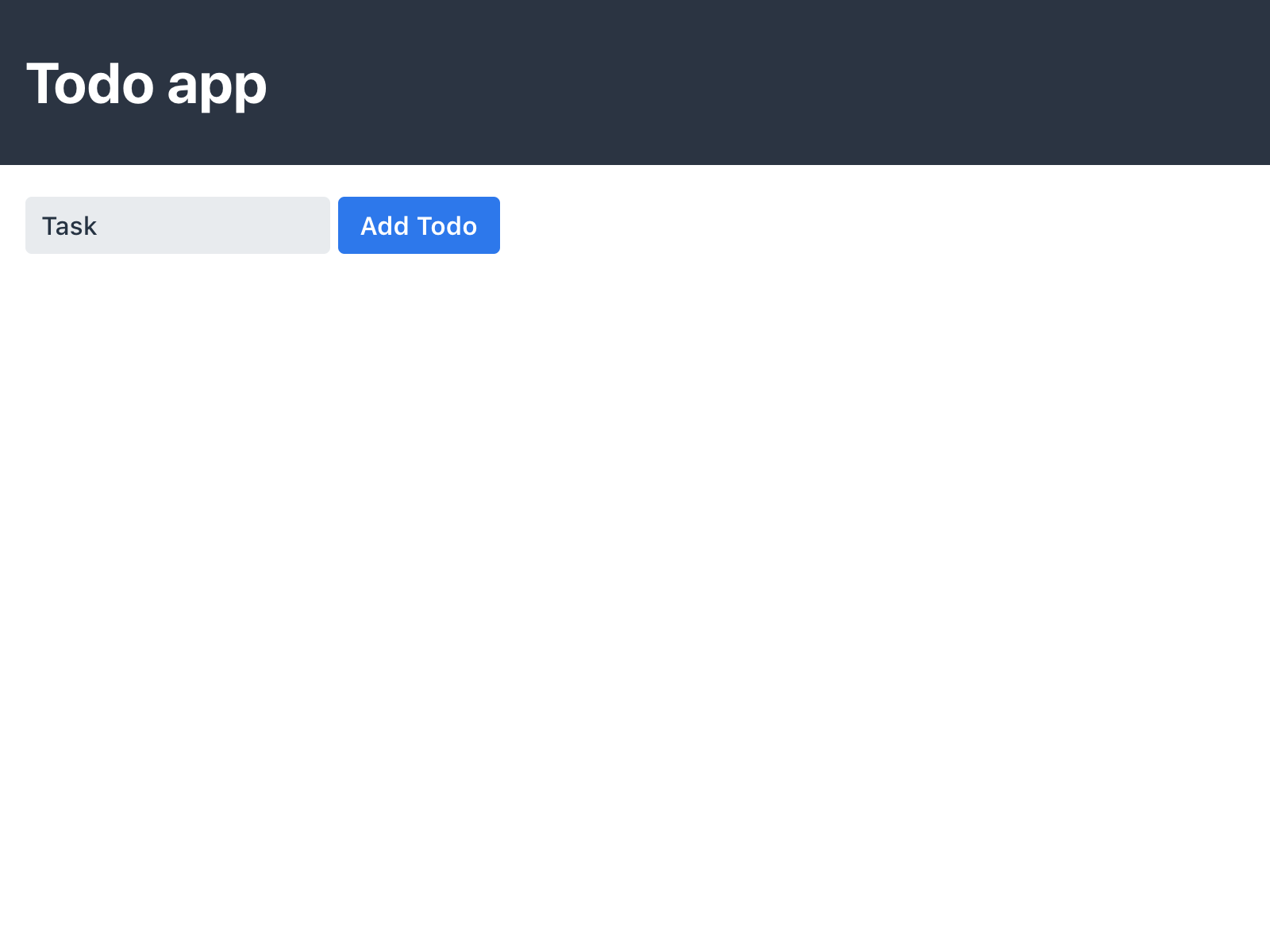
In this second tutorial in a series about building LitElement apps, we cover templating, events, and properties in a LitElement component. If you didn’t complete the first part, you can check out the source as a starting point: Step 1 source Video tutorial for this part Defining properties Before ...

Creating a LitElement project
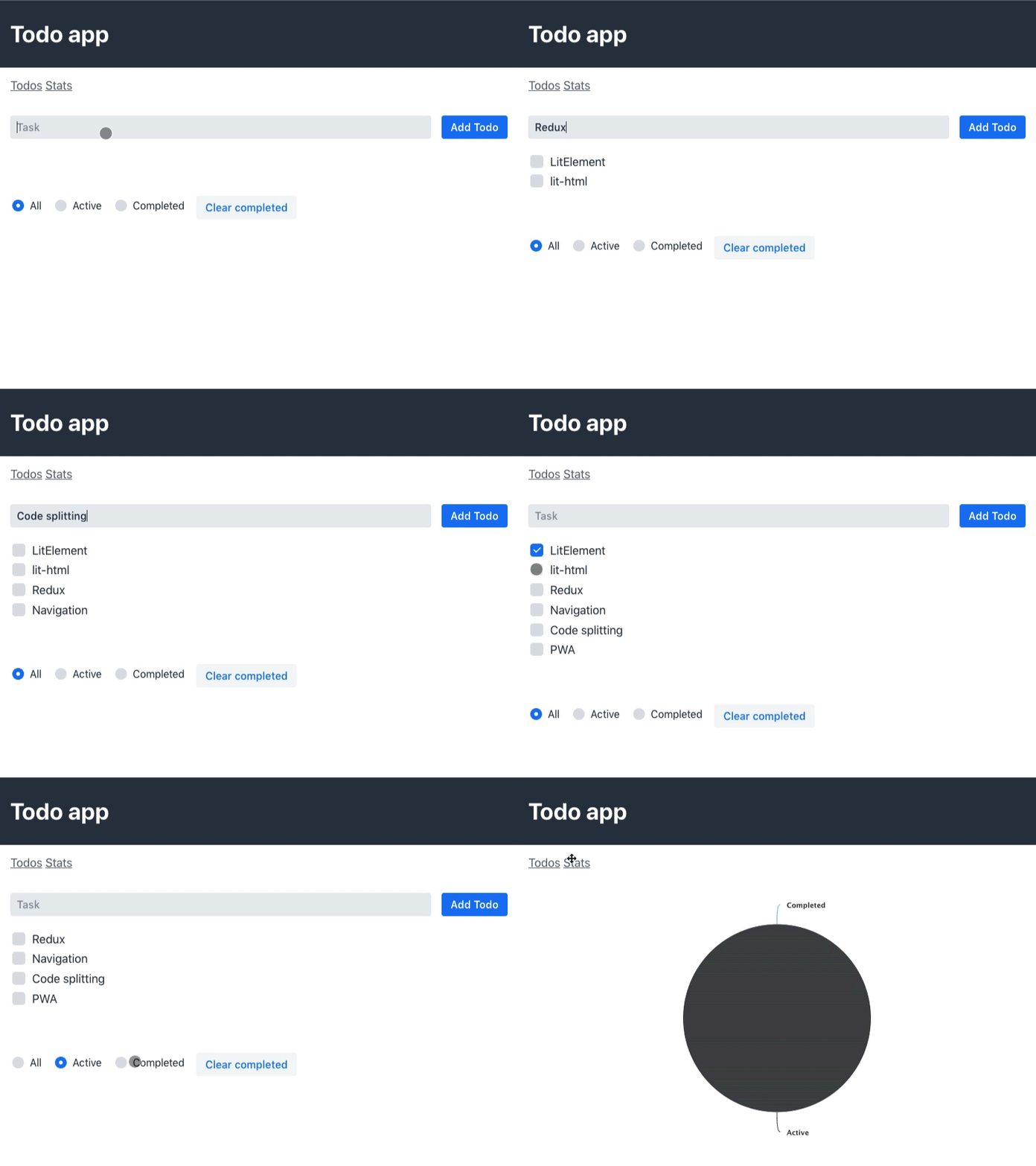
In this tutorial, you'll learn how to build an application using Web Components and LitElement. The topics we cover are: Starting a LitElement project lit-html templating and events State management with Redux Navigation and code splitting PWA and offline Figure 1. The app we are building Video ...
Amazon announces OpenJDK distribution in Devoxx Belgium 2018
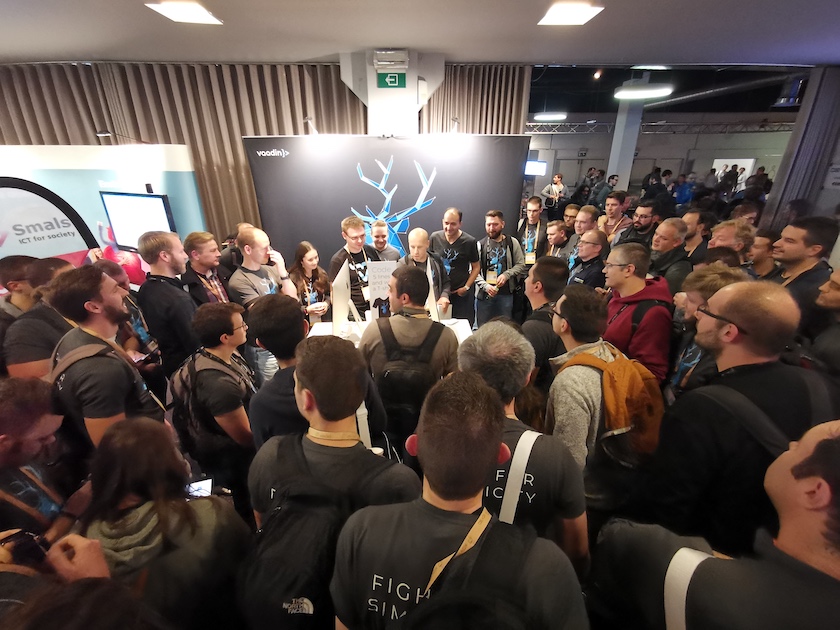
One of the biggest annual Java-focused conferences, Devoxx, was held on 12th – 16th November. As earlier, we were at the huge movie theater Kinepolis in Antwerp, Belgium. We attended the conference to hear about the latest trends, as well as to share knowledge of Vaadin. Oracle's new release model ...


Chrome Dev Summit 2018 highlights
Last week web developers and enthusiasts from around the world met up in San Francisco for Chrome Dev Summit. The two-day event showcased highlights from the previous year and previewed some of the exciting new technologies that we can expect to see over the next year. AMahdy from Vaadin and Alex ...

Limited Time Offer: Buy Vaadin Pro, Get a Free Training Access Until the End of Year
We are happy to announce a limited time offer: all new Vaadin Pro customers will get a free access to the Vaadin training offering until the end of 2018. Take full benefit from this offer and wrap-up your year in style. Get Vaadin Pro now and turn yourself and your team into real Vaadin ...

Saving and displaying images using JPA
Saving and displaying images is an essential part of many Web applications. A typical use case is to store profile pictures. There are 2 common methods to store images: Storing the image in a folder and saving the path in the database. Storing the image (bytes) in the database. The first method is ...
A powerful web component that lets you edit JSON in browser
Web Components Wednesday (WCW) blog series is created for two purposes: introducing easy-to-use components and educating people on the concept of Web Components. All the WCW blogs can be found here. Let’s praise it once more, JSON is the best invention as a replacement for XML. The format is ...

Developing without Server Restarts
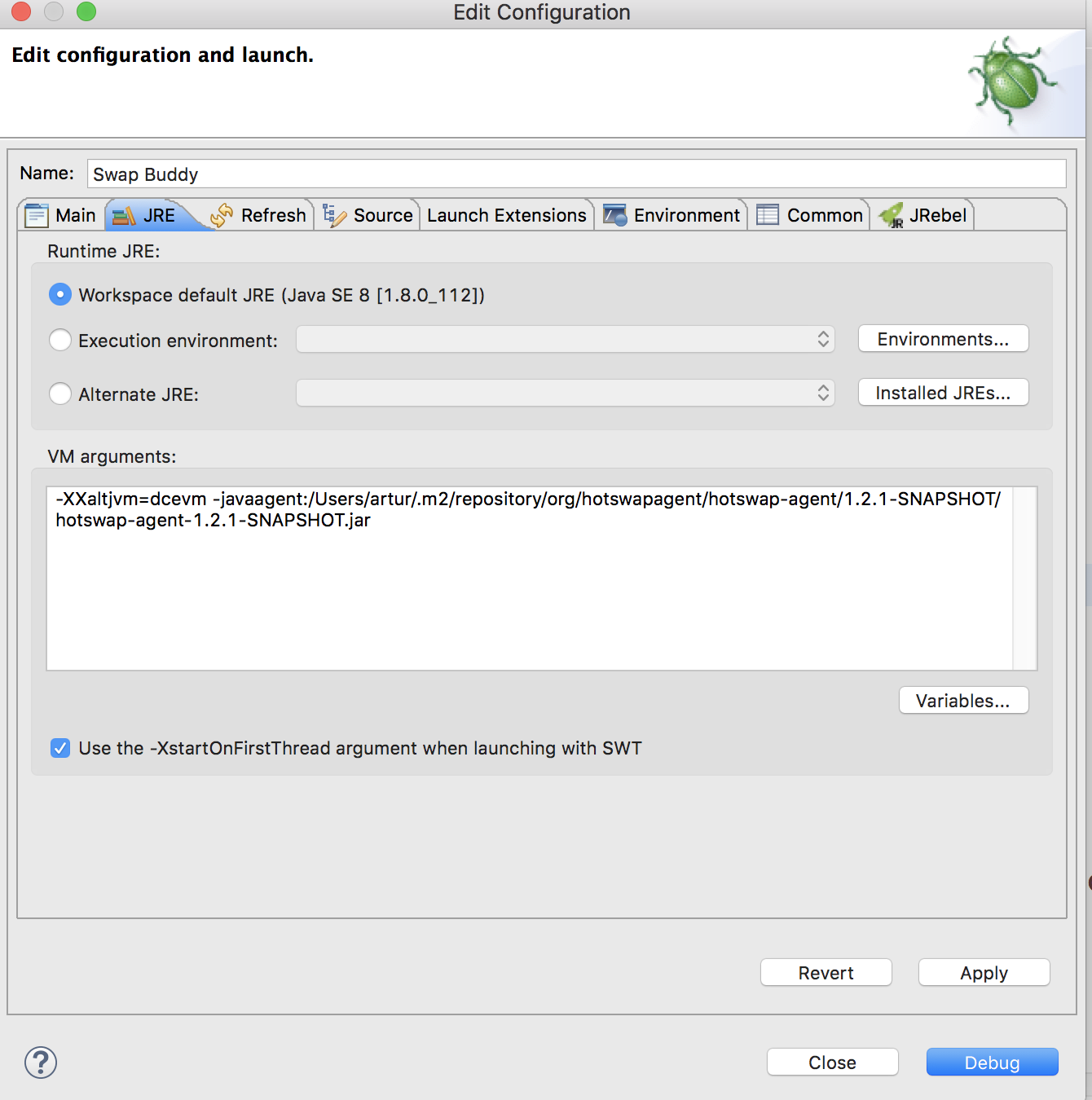
Developing without Server Restarts Note: HotswapAgent+DCEVM is not supported for the latest Vaadin LTS (Vaadin 14). See the current Development Workflow documentation on the Vaadin Docs site for the recommended hot-deploy solution for your underlying framework (plain servlet, Spring or CDI). A ...

Introducing geo-location, a web component which lets you easily locate, track or reverse geocode your current location
Web Components Wednesday (WCW) blog series is created for two purposes: introducing easy-to-use components and educating people on the concept of Web Components. All the WCW blogs can be found here. Nowadays, many companies make use of location tracking to create different apps, and such purposes ...